
Portland holds more than its well-known bridges, food carts, and coffee shops. You can step beyond the usual stops and uncover places that locals quietly enjoy without drawing crowds.
You will discover hidden gardens, quiet overlooks, underground tours, tucked-away art, and neighborhood favorites that locals return to again and again. This guide points you toward lesser-known corners across the city and shows you how to seek them out while respecting the communities that value them.

You reach Pittock Mansion by winding up West Burnside Street into the hills above the city. While many visitors tour the historic house, you can step beyond it to find a quieter reward. The Rose Garden Overlook offers one of the most balanced views in Portland.
You stand above the city skyline with Mount Hood rising in the distance on clear days. The perspective feels elevated but not remote. You can trace the Willamette River, spot downtown’s tallest buildings, and watch weather move across the valley.
Walk a short path past the mansion’s formal gardens to reach the overlook. You avoid the heavier crowds that gather at the International Rose Test Garden, even though it sits just across the hills. Locals often come here for a quieter experience and a steadier place to take in the view.
Bring a simple picnic or a cup of coffee and sit along the stone wall. You share the space with hikers finishing the Wildwood Trail and neighbors walking their dogs. The setting stays calm, especially on weekday mornings and near sunset.
You also gain access to Forest Park’s trail network from this point. After you take in the view, you can head directly onto shaded paths that stretch for miles. The overlook works well as either a starting point or a final stop.
Arrive early if you want easier parking in the small lot near the mansion. Dress for wind, since the hilltop sits exposed and temperatures shift quickly. When the sky clears after rain, you often get the sharpest visibility of the mountain and city below.

You can reach the Hidden Oak Grove by following quieter side trails off the main paths at Hoyt Arboretum. Signs point to larger collections, but you need to watch for smaller markers that lead toward the oak area. The grove sits away from heavier foot traffic, so you often share it with only a few other visitors.
Tall Oregon white oaks define the space. Their wide branches spread low and create filtered shade across the ground. You walk under a canopy that feels open yet sheltered.
In spring, native wildflowers grow between grasses and fallen leaves. In summer, dry soil and filtered sunlight give the grove a warm, muted look. Each season changes the color and texture without altering the calm layout of the trees.
You can access the grove from several trailheads, including the Wildwood Trail and nearby parking areas along Fairview Boulevard. The walk stays moderate, with gentle slopes and packed dirt paths. Wear sturdy shoes, especially after rain, because exposed roots and uneven ground can slow your pace.
Bring a bench cushion or sit directly on one of the fallen logs. You can pause here without the noise you find near the visitor center. Many locals come to read, sketch, or take short breaks during longer hikes.
Wildlife moves quietly through the grove. You may notice woodpeckers tapping or small birds moving between branches. If you arrive early in the morning, you increase your chances of seeing deer pass through.
You do not need a long visit to appreciate the space. Even a short detour from a main trail gives you a clear sense of how Portland protects native ecosystems within city limits.
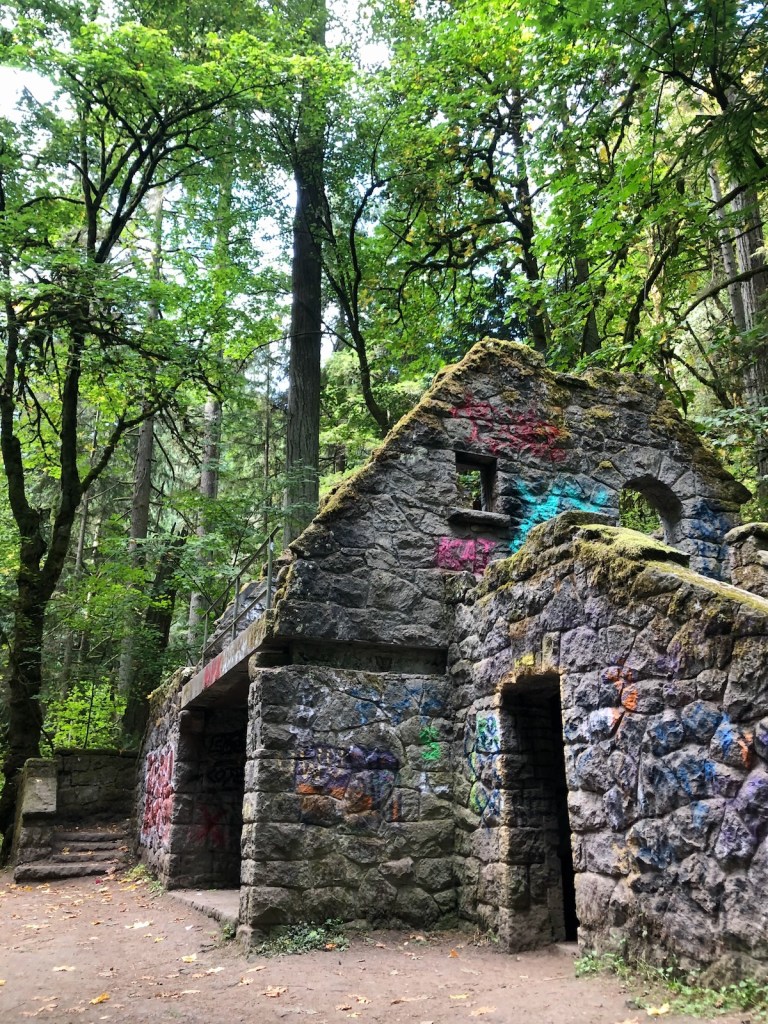
You will find the Witch’s Castle ruins tucked deep inside Forest Park, along the Lower Macleay Trail. The moss-covered stone structure sits in a shaded ravine near Balch Creek. Tall trees and dense undergrowth keep the area cool and quiet for most of the year.
You reach it by walking about a mile from the Lower Macleay Trailhead. The trail is mostly gradual, though it can get muddy after rain. Wear sturdy shoes and expect uneven ground near the ruins.
Despite its name, the site has no link to witches. The structure is the remains of a 1930s restroom built by the Works Progress Administration. Over time, it fell into disrepair and earned its nickname because of its crumbling stone walls and secluded setting.
You can walk through the open archways and explore the remaining rooms. Moss and vines cover much of the stone, giving the structure a weathered appearance. The surrounding forest muffles city noise, even though downtown Portland sits just a few miles away.
Locals often visit early in the morning to avoid crowds. Photographers come for the filtered light that moves through the trees, especially in fall and spring. You may also see hikers continuing deeper into Forest Park’s extensive trail network.
Respect the space by staying on marked paths and leaving no trash behind. The ruins are part of a protected natural area, and preservation matters. If you want a quiet, low-key place that feels removed from busy city streets, this spot delivers.

You can explore a different side of Portland beneath the streets in Old Town. The Shanghai Tunnels connect basements of historic buildings through narrow passageways that date back to the late 19th century.
Guided tours take you underground through sections that once linked hotels, bars, and waterfront docks. You walk through low ceilings, brick corridors, and storage spaces that reveal how goods moved through the city. The atmosphere feels cool and dim, even in summer.
Local guides explain how the tunnels supported Portland’s maritime trade. They also discuss the long-standing stories about “shanghaiing,” a practice in which men were allegedly kidnapped and forced to work on ships. Historians continue to debate how widespread that activity was, so you hear both documented facts and popular legends.
You enter through a street-level business in Old Town, often a bar or retail space with a historic basement. Tours run year-round and typically last about an hour. You should book ahead, especially on weekends.
The walking surfaces can be uneven, and some areas feel tight. Wear closed-toe shoes and prepare for stairs. The space is not fully accessible, so check with the tour operator if you have mobility concerns.
Locals appreciate the tunnels because they offer context for Portland’s early development without the crowds you find at larger attractions. You gain a grounded view of the city’s shipping era and its rough waterfront history. The experience stays focused on place and evidence rather than spectacle.
When you return to street level, Old Town feels different. You understand how the city layered new businesses and sidewalks over its older foundations. That contrast makes this stop one of Portland’s more unusual and locally valued experiences.

Step off Northeast Alberta Street and walk into the alleys between 10th and 30th Avenue. You will find large-scale murals that most visitors miss.
Local artists use the sides of warehouses, garages, and small businesses as open-air canvases. You see portraits, abstract patterns, political statements, and bright lettering layered over older work.
Start near Alberta Park and move west. The murals change often, so you rarely see the same wall twice in a year.
Many pieces reflect neighborhood history. You notice tributes to Black artists, community leaders, and cultural movements that shaped the area.
The alleys feel quiet compared to the main street. You can take your time without heavy foot traffic or storefront noise.
Bring good walking shoes. Pavement can be uneven, and some areas sit behind active businesses.
Visit during daylight hours. Natural light makes colors clearer and helps you photograph details without harsh shadows.
Respect private property while you explore. Some murals sit on working garages and loading docks, so give space when people are moving vehicles or equipment.
You can pair this walk with coffee from a nearby café on Alberta Street. Step back into the alley afterward and notice how the art shifts as the light changes.
If you return months later, expect new work. Artists regularly repaint walls, and fresh layers keep the area active and relevant.
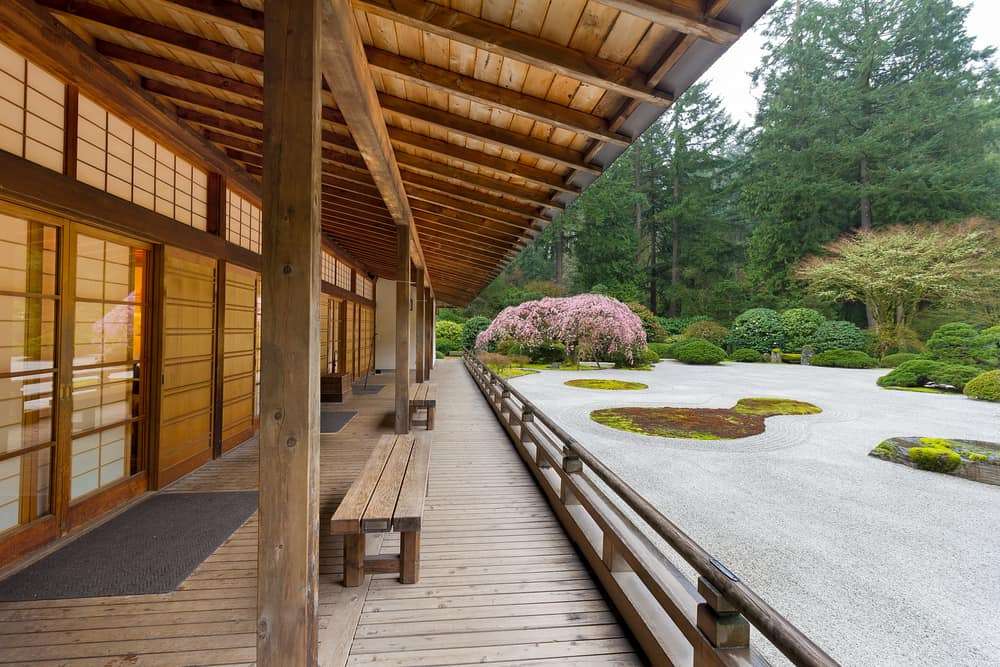
You find the Tea Garden Nook tucked inside the Portland Japanese Garden, away from the main paths that draw most visitors. This quiet corner sits near the authentic Japanese teahouse, surrounded by carefully placed stones, moss, and maples. You step off the busier walkway and notice the shift in sound and pace.
Arrive early in the morning to experience the space with fewer people. Soft light filters through the trees, and the garden’s textures stand out without distraction. You hear water moving through the nearby stream and the muted crunch of gravel underfoot.
Pause on one of the benches positioned along the edge of the tea garden. From here, you can observe the deliberate layout of lanterns, stepping stones, and clipped shrubs. Each element reflects traditional Japanese garden design principles that emphasize balance and restraint.
You do not need to attend a formal tea ceremony to appreciate the setting. Instead, focus on small details like the grain of the wooden teahouse walls or the way raked gravel frames the entrance. These details reward slow observation.
Visit on a weekday if you prefer a quieter experience. Even during busier seasons, this nook often feels more secluded than the main strolling pond garden. You can take your time without feeling rushed.
Respect the space by keeping voices low and staying on designated paths. The calm atmosphere depends on shared courtesy. When you leave, you carry a clear sense of why locals return to this understated corner again and again.
Pedal through Portland’s best bars, from neon dives to local favorites, with good drinks, big laughs, and party vibes.
For flavor-chasers and vibe-seekers: creative drinks, TikTok-famous spots, and backdrops that bring your crew’s aesthetic to life.
Cruise through Southeast Portland’s hoppiest spots, IPAs, lagers, sours, and all the pours that make this city beer-famous.
From still to shaker: two distilleries, one cocktail bar, and a tour that shows off Portland at its best.


.jpg)


